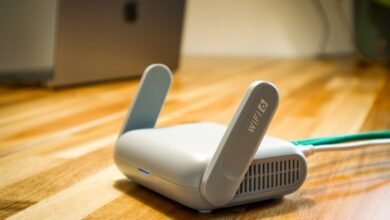
The guide introduces the 168.1.159 router login and setup process with precise, stepwise instructions. It covers accessing the device via a browser, authenticating with admin credentials, and applying essential hardening tasks. Readers will encounter firmware updates, secure Wi‑Fi setup, and access control measures. Each action builds toward a resilient home network, yet several important details lie ahead, inviting careful continuation to ensure a robust, autonomous configuration.
How to Log in to the 168.1.159 Router
To log in to the 168.1.159 router, open a web browser and enter http://168.1.159 or http://192.168.1.159 in the address bar.
The login process requires entering the administrator credentials, then accessing settings with minimal steps.
If credentials are forgotten, password recovery steps should be followed through the recovery option, ensuring secure access while preserving network autonomy and freedom.
Quick Setup Steps for a Secure Home Network
Begin by changing the router’s default admin password to a strong, unique credential, then update the firmware to the latest version available from the manufacturer.
Implement network segmentation to separate devices, enable guest isolation for guests, and enforce encryption standards such as WPA3.
Schedule regular firmware updates and monitor for vulnerabilities to maintain a secure, freedom-respecting home network.
Change Network Name and Password: a Practical Guide
After securing the router and firmware, the next step is to set a distinct network name (SSID) and a strong admin-applied password for regular wireless access.
The procedure specifies updating privacy settings, selecting a unique SSID, and enforcing a robust passphrase.
Consider enabling a guest network for visitors, while preserving primary network security and monitored access controls.
Verify and save changes.
Tuning Advanced Settings for Reliability and Security
Advanced settings are adjusted to balance performance, security, and reliability. The procedure specifies disabling unused services, enabling anomaly monitoring, and configuring scheduled reboots during low-traffic periods.
Security auditing should be enabled for log reviews and incident awareness.
Firmwareupdate planning requires a defined cadence, staged rollouts, and rollback readiness to minimize disruption while sustaining accessibility and trust.
Frequently Asked Questions
Can I Recover a Forgotten Router Password Without Resetting?
The answer: no, a forgotten password cannot be recovered without reset; instead use recovery options via admin portal or reset to restore configuration. After reset, enable features, update firmware, back up settings, ensure uninterrupted operation, guest network, parental controls.
How to Update Firmware Safely Without Interruption?
A quiet undertone hints at safety; updating firmware requires preparation, verification, and backups. The device should be powered, connected to a stable network, and firmware integrity checked. Implement uninterrupted operation strategies, then initiate and monitor the update.
Is There a Guest Network Feature for Visitors?
Yes, a guest network exists; enable it in the router’s wireless settings and assign a separate SSID and password. For recovery, follow the device’s password recovery procedure, ensuring secure, temporary access and timely password updates. Confirm configuration through a test connection.
How to Back up and Restore Router Settings?
Backing up settings is done via the router’s administration console, then the restore process uses the saved file; perform firmware update beforehand. Enable guest network and parental controls, note password recovery steps, and if needed, router reset.
What Parental Controls Options Are Available and How to Enable?
Parental controls options include access schedules, content filters, and site blocking, managed via Router management. Enable via admin panel, apply to devices, and implement Firmware updates. Configure Guest networks, then perform Backup restore, and ensure Password recovery is updated.
Conclusion
In summary, the 168.1.159 router should be configured with careful, disciplined steps: log in securely, update firmware, and replace default credentials. Establish a unique SSID with WPA3, enable guest isolation, and segment networks to limit exposure. Disable unused services and enable anomaly monitoring. Regularly back up settings and schedule updates. Think of the network as a fortress: each well-placed rule fortifies the walls, while a weak link invites intrusion.