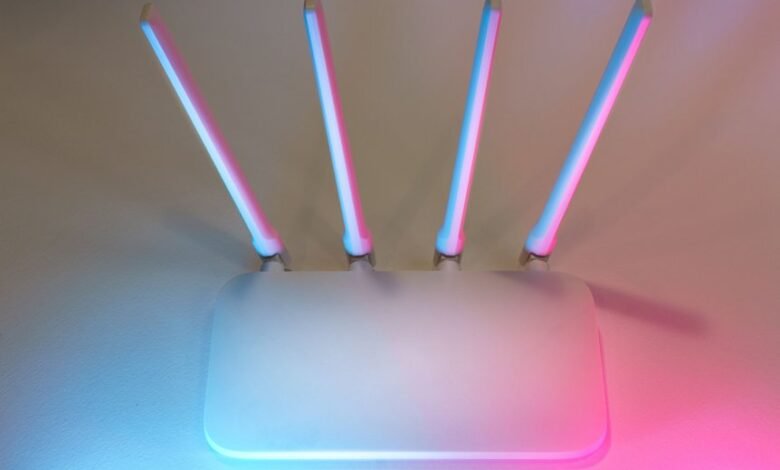
The 168.1.238 router offers a secure starting point for configuring home or small-office networks. A methodical approach begins with a trusted login over HTTPS, followed by verification of the device’s identity and firmware status. From there, map the topology, identify critical devices, and set strict access boundaries. Security hardening involves changing default credentials and strong Wi‑Fi keys, while performance gains come from QoS and minimal exposed services. The next step invites careful assessment of each setting.
How to Log In to 168.1.238 Router Dashboard
To log in to the 168.1.238 router dashboard, a user should open a web browser and enter the router’s default IP address in the address bar, typically 168.1.238.
The process emphasizes security: verify HTTPS, change default credentials, and note login pitfalls.
After access, perform a firmware update promptly to reduce risk, then configure accounts with strong, unique passwords.
Identify Your Network Layout and Key Devices
After securing the login credentials and updating firmware, the next step is to map the network by identifying the layout and the devices that connect to the 168.1.238 router.
This disciplined exercise records network topology and conducts device discovery, detailing connections, roles, and trust boundaries.
The result supports informed decisions without exposing sensitive components to unnecessary risk.
Strengthen Security: Change Admin and Wi‑Fi Credentials
Strengthening security begins with authenticated access control: changing the admin and Wi‑Fi credentials reduces the risk of unauthorized configuration and network compromise.
The approach emphasizes password hygiene and regular firmware updates, replacing default credentials promptly, using unique, strong combinations, and enabling multi‑factor if available.
This disciplined practice limits attacker access while preserving user autonomy and network privacy.
Optimize Settings for Performance and Coverage
Optimizing a router’s performance and coverage follows the security-focused groundwork of updating credentials, ensuring that the device operates under authenticated configuration constraints.
The guide emphasizes quantifyable adjustments: optimize bandwidth through QoS rules, enhance coverage via appropriate channel selection and placement, security hardening by disabling unnecessary services, and device prioritization to protect critical devices without compromising overall network resilience.
Frequently Asked Questions
Can I Access Router Settings From a Mobile Device?
Access is possible via mobile access, provided the router’s admin interface is enabled and secured. A guarded approach prioritizes router security, using strong credentials, updated firmware, encrypted connections, and minimal exposed services while preserving freedom to manage settings remotely.
How Do I Reset the Router to Factory Defaults?
Reset button resets to factory defaults; then reconfigure securely. The guide notes mobile access may be restored, real time monitoring reestablished, and guest network re-enabled after restoration, ensuring controlled access and disciplined, privacy-preserving setup.
Which Ports Should I Port-Forward for Gaming?
For gaming, the recommended gaming ports should be identified per title, then a precise port forwarding strategy implemented to minimize exposure; use TCP/UDP as required, and restrict source IPs to trusted ranges for enhanced security and freedom.
How Can I Monitor Connected Devices in Real Time?
Like a calm sentinel, the system reveals real time bandwidth and device activity by monitoring the router’s connected devices list, inspecting ARP/NDP tables, and logging DHCP events to detect anomalies and ensure secure, unfettered network visibility.
Is There a Guest Network and How to Enable It?
Yes, the router supports a guest network. To enable it, access admin interface, navigate to Wireless or Guest Network, and toggle on. Ensure guest network basics include separate SSID, isolation, and strong, unique password. Enable security-focused configurations.
Conclusion
In a quiet moment of routine, the user discovers the router’s secure login window—a coincidence, perhaps, that knowledge arrives just when risk is near. Methodically, they verify HTTPS, swap admin and Wi‑Fi passwords, and document connected devices. The network topology is mapped with care, QoS tuned for mission-critical devices, and dormant services pruned. Firmware updated, MFA considered, and configurations tightened; security and performance align, as if fate nudges them toward a safer, steadier digital perimeter.