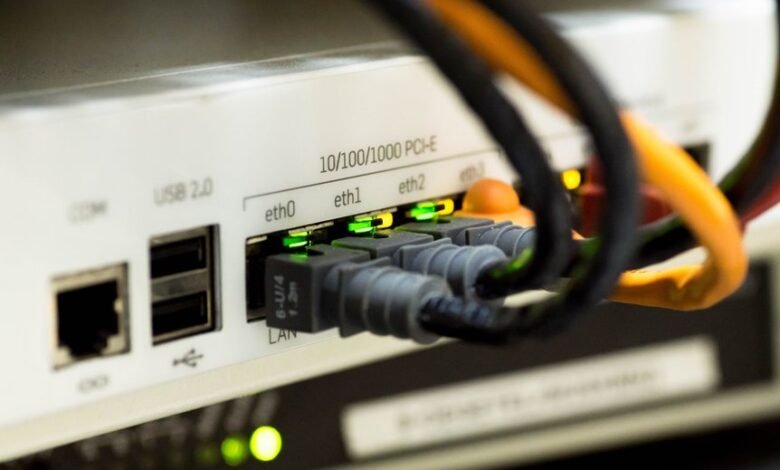
The guide on 168.168.254 router login and network setup offers a methodical path to secure configuration. It emphasizes a protected connection, accessing the admin page, and using initial credentials with a plan to change them. It outlines steps for Wi-Fi, security, and guest networks, plus a routine for firmware updates and audits. The discussion leaves practical questions open, presenting a framework that invites careful, ongoing evaluation before proceeding.
How to Access the 168.168.254 Router Admin Page
To access the 168.168.254 router admin page, a device must be connected to the router via Ethernet or a secured wireless network.
The process involves entering the gateway address in a browser, logging in with credentials, and navigating to the administration panel.
A security audit and firmware updates schedule should be reviewed to maintain control and resilience.
Understanding Default Credentials and First-Time Setup
Default credentials are the initial access keys assigned to the router and should be treated as temporary until changed.
In this phase, administrators review the login page, update the default name and password, and document initial settings.
The tone remains calm and practical, promoting avoiding jargon and smooth user onboarding, ensuring new owners gain control without confusion or ambiguity.
Configure Wi‑Fi, Security, and Guest Networks
Configuring Wi‑Fi, security, and guest networks involves setting a strong wireless name and password, selecting appropriate encryption, and establishing separate guest access. In this procedure, Wi Fi configuration emphasizes consistency, Security hardening reduces risk through updated firmware and robust keys, and Guest network setup isolates devices. Two word discussion ideas: Privacy focus. Network segmentation.
Troubleshooting Common Router Login and Connectivity Issues
Common router login and connectivity issues often stem from incorrect credentials, outdated firmware, or misconfigured network settings. This section outlines a methodical approach to resolution: verify credentials, reboot devices, and check physical connections. Use network troubleshooting steps to isolate the problem, apply firmware updates when available, and reattempt access. Document changes, and confirm stability before proceeding with advanced configurations.
Frequently Asked Questions
Can I Reset the Router to Factory Settings Without Losing Wi‑Fi Passwords?
A factory reset would typically erase settings, including Wi Fi credentials, so retention is unlikely. However, some routers offer temporary Wi Fi retention during reset, or backup/restore options; consider Factory reset considerations and saving passwords beforehand for freedom.
How Do I Update the Router’s Firmware Manually?
Updating firmware can be done manually by following clear steps: access the router’s admin interface, locate the firmware or upgrade section, download the correct file from the manufacturer, and apply the update with thorough verification. Methodical, precise, and empowering.
What Is the Default IP and Login if 168.168.254 Changes?
The default gateway remains 168.168.254; login page access varies by model, requiring firmware update confirmation. If changed, bridge mode, parental controls, and time scheduling settings must be reviewed; login credentials may reset, enabling reconfiguration.
How Can I Bridge This Router With Another Network Device?
To bridge this router with another device, implement a bridge configuration by disabling routing and enabling passthrough modes; configure proper LAN/WAN mappings, and ensure network bridging is active, with static or DHCP-assigned addresses for connected devices.
Are There Parental Controls or Time Scheduling Options?
Parental controls and time scheduling exist on some router models; they can be configured via the administration interface. The reviewer notes that access policies apply to devices and hours, with adjustable restrictions for families seeking balanced digital freedom.
Conclusion
In the final, the router’s door remains slightly ajar, screens humming with potential. The user, now armed with careful steps—firm login, strong encryption, segmented guest access—moves methodically through the settings. A clock ticks, updates queue up, and the network steadies. Yet a sign remains, subtle and persistent: vigilance. As firmware timers wind down and passwords are reshaped, a quiet tension holds—the threshold between secure calm and unseen intrusion, waiting for the decisive, ongoing guard.