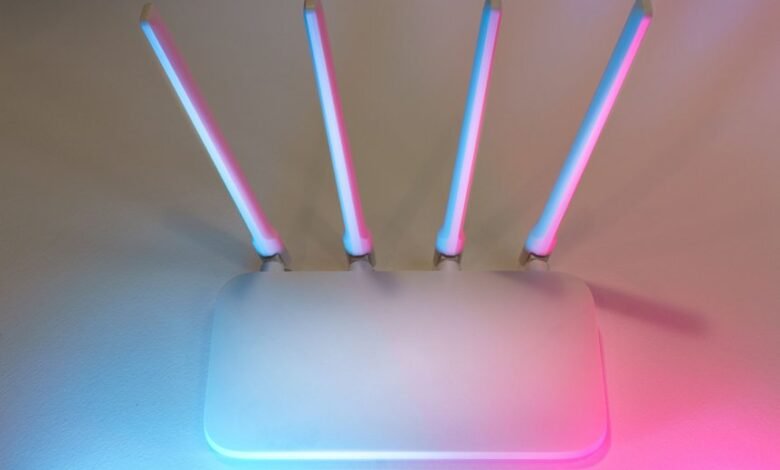
The 192.168.15.1 router login opens the gateway to local network configuration and WiFi setup. It requires a connected device and access to the router’s admin panel. Credentials should be replaced with a strong, unique password, and WPA2/WPA3 encryption must be enabled. Essential steps include configuring the SSID, securing access controls, and updating firmware. Details follow on how to optimize channels, bandwidth, and guest networks, with practical checks that reveal where adjustments are needed. The next step clarifies exact settings to apply.
What Is 192168.15.1 and How to Reach It
What is 192.168.15.1 and how is it reached? 192.168.15.1 is a private IP address assigned to the local router, used as the default gateway for devices within its network. This entry point supports Router fundamentals, Network access; IP addressing, Browser compatibility, guiding users with precise steps to reach settings, verify connectivity, and configure initial access with autonomy and clarity.
Secure Your Wi-Fi: Name, Password, and Basic Protections
To secure a wireless network, the router’s SSID should be clearly named and the default credentials replaced with a strong, unique password; this establishes a trackable identity while reducing the risk of unauthorized access.
A secure login precedes device trust; disable unnecessary services, enable encryption, and apply firmware updates.
Avoid weak credentials; replace router defaults promptly for empowered, protected connectivity.
Fine-Tune Performance: Channels, Bandwidth, and Guest Networks
Fine-tuning wireless performance involves selecting appropriate channels, setting optimal bandwidth, and configuring guest networks to balance speed, coverage, and security.
The process centers on optimizing channel choices to reduce interference and logging usage, while balancing bandwidth allocations for core devices and visitors.
Systematically document changes, monitor performance, and adjust settings to preserve freedom, reliability, and scalable network empowerment.
Troubleshooting and Common Setup Hiccups You’Ll Actually Solve
Common setup hiccups in router configuration are addressed with a systematic, step-by-step approach. The guide delineates precise troubleshooting steps, prioritizing direct fixes over speculative measures, and avoids unrelated topic detours. When issues arise, focus on wired connections, firmware integrity, and reset procedures. Irrelevant discussion is excluded to preserve clarity, ensuring reproducible results and efficient, freedom-oriented resolution.
Frequently Asked Questions
Can I Access 192.168.15.1 From a Mobile Device?
Yes, mobile access to 192.168.15.1 is possible if the device connects to the same local network. Ensure sturdy router security, use secure credentials, and disable remote administration to maintain controlled, freedom-friendly, protected connectivity.
Which Browsers Work Best With This Router Login?
The best browser for this router login varies; generally, modern browsers offer strong mobile compatibility. In practice, the best browser emphasizes security and up-to-date standards, ensuring reliable access across devices with precise, methodical performance and freedom of use.
How Do I Reset the Router to Factory Settings?
The reset procedure requires locating the recessed button and holding it for ten seconds, initiating a factory restore. After completion, reconfigure settings; avoid remote management until security is restored, ensuring proper exposure and control of the router’s functions.
Can I Change the Default IP Address?
Change IP address is possible with router settings adjustments, and login security should be reinforced afterward. A notable 73% of users underestimate device exposure; thus, the process must be methodical, precise, and empowering for users seeking freedom.
Is There a Built-In Parental Control Feature?
There is a built in parental feature available; feature exploration reveals adjustable schedules and content filters. The device permits nuanced control while preserving user freedom, documenting steps methodically for confident, independent configuration and responsible usage.
Conclusion
Concluding, securing and optimizing a 192.168.15.1 router demands a disciplined, repeatable process. From verification of connectivity to robust credentialing, every step reduces risk and improves reliability. As a case in point, a small office replaced default passwords, enabled WPA3, and isolated guest traffic, yielding stronger access control and improved network performance within days. Researchers should document settings changes and firmware updates to ensure consistent performance, easier troubleshooting, and scalable expansion as needs evolve.