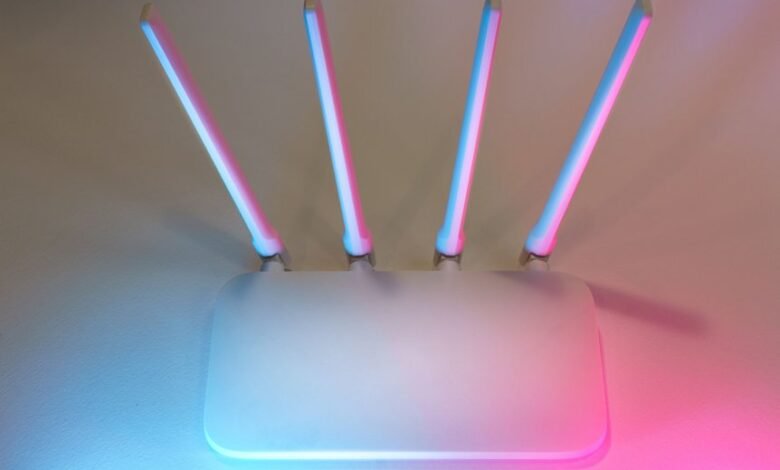
The guide outlines identifying the 1921681102 router model and firmware, then securely connecting to the device and gaining admin access. It emphasizes credential hygiene, encrypted management channels, and the option for SSH. Next steps involve updating credentials, establishing solid Wi‑Fi basics, and documenting naming and encryption standards. It also covers segmentation, centralized logging, and periodic audits. The rationale for disciplined setup is clear, but practical implementation will require careful consideration of device-specific quirks and future auditing needs.
Identify Your 1921681102 Router and Firmware
To identify the 192.168.1.102 router and its firmware, begin by locating the device’s labeled model number and manufacturer on the unit or its packaging.
Identify router naming, firmware version, and compatibility through markings or web references.
Access panel navigation reveals credentials security and firmware updates paths, enabling secure administration while preserving freedom to manage hardware capabilities.
Securely Connect and Access the Admin Panel
Secure connection to the admin panel is established by configuring a dedicated management computer with a wired or trusted wireless link to the router’s local IP address, followed by authentication using the device’s administrator credentials. The session enforces crack resistant passwords, SSH access, and firmware rollback to restore configurations, while guest network isolation, båndwidth prioritization, and parental controls balance security with freedom.
Update Credentials and Set Strong Wi‑Fi Basics
After establishing a secure admin connection, configuration proceeds to update credentials and establish robust Wi‑Fi basics.
The process emphasizes unique, strong passwords and administrator isolation, minimizing risk exposure.
Credentials should be stored securely and rotated periodically.
Specify network naming conventions, channel selection, and encryption standards.
Document ideas succinctly, avoiding unrelated topics, to maintain focus on essential operational clarity for freedom-minded administrators.
Configure Essential Security and Network Settings
Implementing essential security and network settings begins with enforcing robust access controls, isolating admin activities from regular traffic, and enabling encrypted management channels. The configuration focuses on segmented interfaces, strong authentication, and minimal exposure. Regular audits ensure resilience.
Idea one reinforces principle-based controls, while idea two emphasizes centralized logging and anomaly detection for proactive defense and freedom through disciplined, transparent governance.
Frequently Asked Questions
How to Reset the Router to Factory Defaults?
The reset procedure reverts settings to Factory reset options, clearing custom configurations. Network security is restored to default; consider re-enabling Remote access management only after reconfiguration. System resets may require revisiting firmware and interface access parameters.
What Is the Default Admin Username and Password?
The default admin username and password are typically admin and admin, though credentials vary; always verify against device documentation. Default credentials may differ after a factory reset, where factory reset specifics revert settings to the original values.
How to Enable Remote Management Securely?
Remote management can be enabled securely by restricting access to trusted IPs, using HTTPS, and enforcing strong credentials; enable secure remote with a VPN, and ensure firmware updates are applied promptly. Firmware updates should be automated where possible.
Can I Backup and Restore Router Settings?
Yes; a router can backup and restore settings. The procedure records a backup schedule, includes firmware notes, tracks a change log, and captures hotspot usage, ensuring precise restoration while enabling users to maintain autonomy and flexible configuration control.
How to Clone a Network SSID to Another Device?
Satire aside, one cannot literally clone an SSID to another device; instead, perform SSID migration by duplicating network credentials on the target device and ensuring proper device pairing through the same security settings and passphrase.
Conclusion
In the quiet chamber of the gateway, the router stands as a lighthouse, its lights the steady beacons of trust. Each setting, a carved key; each credential, a lock’s hinge. Firewalls rise like oaks against tide, passwords glow as stars on a map. Logs drift like coins in a well, seeds of vigilance taking root. When configuration settles, the network breathes— calm, shielded, and true—an enduring beacon guiding data home.