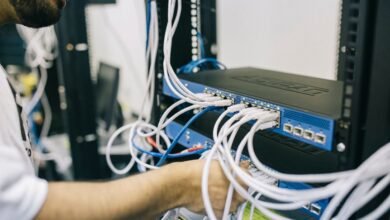
The 168.1.34 Router Admin Access Guide presents a concise framework for controlling a router’s core functions. It emphasizes trusted networks, the official local address, and strong credentials. It covers firmware maintenance and basic Wi‑Fi security, then outlines common login issues with practical, low-risk fixes. The approach is methodical and cautious, prioritizing secure access and minimal features. A careful reader will encounter decisions that influence ongoing protection, inviting closer scrutiny of steps before proceeding.
What Is the 168.1.34 Router Admin Panel and Why You Need It
The 168.1.34 router admin panel is the centralized management interface for configuring and monitoring the router’s functions. It presents settings, logs, and diagnostics in a structured, recoverable format.
Understanding motion patterns informs traffic visualization, while attention to user ergonomics reduces error and fatigue.
This interface supports intentional, freedom-conscious administration, enabling secure, informed control without unnecessary complexity or delay.
How to Access the Admin Page Safely and Quickly
Accessing the admin page should be performed with precision and care to minimize exposure to threats and misconfigurations; first, verify the device’s connection to a trusted network, then navigate to the router’s official local address.
Quick access relies on stable links, minimal devices, and non-public mirrors, while guest networking provisions stay isolated, preserving freedom and control without compromising core settings.
Concise, deliberate steps support responsible administration.
How to Secure Your Router: Changing Credentials, Firmware, and Wi-Fi Basics
After establishing a secure connection to the router’s local interface, the focus shifts to practical measures that prevent unauthorized access and firmware vulnerabilities.
The process emphasizes changing credentials promptly, enabling strong passwords, and documenting them, while performing security auditing to detect weak points.
Firmware updates should be timely; compare against factory defaults to ensure restored settings remain secure, and disable unnecessary features.
Common Login Problems and Practical Fixes You Can Try Now
Common login problems on a router’s admin page are typically caused by simple missteps or outdated settings. The guide outlines practical, non-destructive fixes: verify URL and device connection, clear browser cache, and reboot both router and modem. Confirm credentials or reset if necessary, preserving essential security steps. Focus remains on common login efficiency, reinforcing router security without unnecessary risk.
Frequently Asked Questions
Can I Reset the Router to Factory Defaults Without Losing Settings?
A reset cannot preserve settings; reset persists only within factory defaults. A factory warning accompanies this action, and monitoring activity may occur. If recovery mode is engaged, careful steps restore defaults while preserving select configurations where supported.
What to Do if the Admin Page Is Blocked by an ISP?
If blocked by an ISP, the administrator uses recovery mode features to regain control, performing a reset without data loss while preserving backup/restore safety, and monitoring devices activity to ensure continued access; plan changes for freedom and resilience.
How to Back up and Restore Router Configurations Safely?
Back up configurations by exporting encrypted files with backup encryption, then store securely. Restore carefully using restore verification, confirm firmware update compatibility, and verify user access control settings. Maintain freedom-minded diligence to prevent unauthorized changes and data loss.
Are There Hidden Admin Features or Recovery Modes?
Silence veils the router’s engine; hidden features may exist, but recovery mode remains the sole safety hatch. Hidden features, recovery mode, hidden features, recovery mode—signals navigated with caution, precision, and respect for user autonomy.
How to Monitor Connected Devices and Unusual Admin Activity?
Monitoring devices and unusual activity is achievable through logs, real-time dashboards, and alert rules. The approach is precise, methodical, and cautious, empowering users who value freedom to verify device connections, detect anomalies, and safeguard administrative integrity without unnecessary risk.
Conclusion
The guide concludes with a precise, methodical reminder: secure access hinges on trustworthy networks, official local addresses, and sturdy credentials. By updating firmware, configuring Wi‑Fi carefully, and preserving a minimal, well-documented setup, users reduce exposure and simplify recovery. When problems arise, practical, cautious steps—clear cache, verify devices, and controlled resets—offer reliable remedies. In short, diligent maintenance prevents chaos; a single deliberate action today fortifies tomorrow’s digital fortress tremendously.