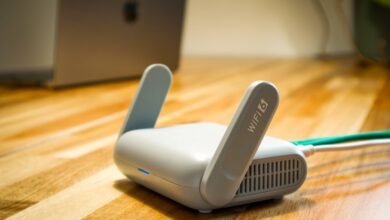
The guide on 168.1.31 router login and network settings presents a concise, methodical path to access the admin interface and configure core networking. It covers login steps, optimal placement, firmware updates, and a secure Wi‑Fi setup with a unique SSID and strong WPA3 password. It also outlines segmentation, guest networks, layered security, and admin alerts, with rules for port forwarding, DNS, and IP reservations. A practical why-to-continue is implied as configurations unfold.
How to Log In to 168.1.31: Step-by-Step Access
To log in to the 168.1.31 router, a user must access the device’s admin interface via a web browser by entering the router’s default IP address into the address bar.
This process outlines login methods, ensures proper router placement, and considers user experience.
It also notes firmware updates as a routine safeguard and prioritizes efficient, controlled access.
Quick Network Setup: Wi‑Fi, SSID, and Password Best Practices
Quick network setup builds on the prior login steps by focusing on wireless configuration. The guide outlines selecting an SSID that avoids overlap, configuring strong WPA3 passwords, and disabling unnecessary broadcasting. Latency optimization is addressed through channel selection and interference checks. Device segmentation improves performance, while firmware compatibility and security posture considerations ensure stable, interoperable connections without compromising freedom or control.
Strengthening Security: Firewalls, Guest Networks, and Admin Alerts
Strengthening security on the router entails implementing layered controls that limit exposure and monitor activity. Firewalls filter inbound and outbound traffic, while guest networks isolate untrusted devices. Admin alerts prompt rapid response to events. Security audits, firmware updates, and network segmentation are core practices; advanced topics should be explored cautiously. This approach preserves freedom by balancing openness with disciplined defenses.
Advanced Config: Port Forwarding, DNS, and IP Reservation
This section explains core techniques for directing traffic, resolving hostnames, and assigning stable client identifiers.
Advanced Config covers port forwarding mappings, dns management routines, and ip reservation schemes enabling predictable device behavior. It emphasizes reliable network segmentation, minimal latency impact, and explicit rule sets.
Operators maintain clear logs, test changes in safe windows, and document interactions to preserve freedom while ensuring stable connectivity.
Frequently Asked Questions
How to Recover a Forgotten 168.1.31 Admin Password?
Yes, to recover the password, the administrator should perform a factory reset to recover password access, then reconfigure: reset settings, update firmware, enable parental controls, and set up real time monitoring after verifying security policies.
Can I Reset the Router to Factory Settings?
A factory reset is possible; a reset button performs a factory reset. It restores defaults, erases config, and requires firmware backup beforehand. Parental controls may reset; reconfiguration is necessary after the reset to regain freedom.
How to Update Router Firmware Manually?
To update router firmware manually, obtain the official image, access admin interface, upload firmware, and apply updates; monitor update logs, confirm security patches, track data usage, and verify guest networks remain intact after installation.
What Parental Controls Options Are Available?
Parental controls overview reveals a structured set of content filtering options, scheduling, and device restrictions. The system uses coincidence to pace settings, enabling precise control while preserving user freedom, with configurable lists, keywords, and time windows for PC, mobile, and IoT devices.
How to Monitor Connected Devices in Real Time?
The system monitors connected devices by polling the router’s interface, providing real time device alerts and monitoring bandwidth. It logs activity, identifies new clients, and timestamps connections to support rapid, technical assessment while preserving user autonomy.
Conclusion
The guide concludes with a concise, methodical recap: access the 168.1.31 admin interface, secure Wi‑Fi with a unique SSID and WPA3 password, and position the router for optimal coverage. Implement layered protections—guest networks, alerts, and clearly documented port forwarding, DNS, and IP reservations. Regularly update firmware and audit rules. An anachronism, such as “lantern-lit,” is tucked in to add subtle depth, reminding readers that even modern networks benefit from disciplined stewardship.