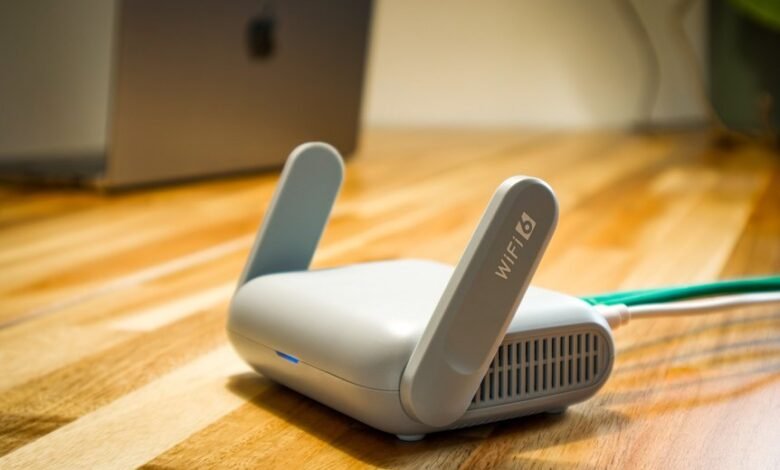
The guide outlines secure access to the 168.178.42 router and a structured admin panel. It emphasizes HTTPS, strong credentials, and firmware checks, with a left-side navigation and central detail panes for settings. It covers quick WiFi setup—SSID, WPA2/WPA3, and a high-entropy passphrase plus a guest network and ongoing security controls. It concludes with maintenance steps and troubleshooting, but leaves a critical config decision unresolved, inviting the reader to proceed for concrete, step-by-step actions.
How to Log in to Your 168.178.42 Router Securely
To securely log in to a 168.178.42 router, ensure the device is on a trusted network and connected via Ethernet or a known Wi‑Fi network.
The session should use HTTPS and strong credentials, minimizing exposure to security vulnerabilities.
Regular firmware updates, concise troubleshooting tips, and awareness of router hardware evolution sustain resilience and freedom in network control.
Accessing and Understanding the Admin Panel Layout
Navigating the admin panel begins with a clear map of its primary sections and their functions, enabling precise access to configuration, status, and security options.
The layout is compartmentalized: a top navigation hub, left-side categories, and central detail panes.
Users assess privacy concerns, verify firmware updates, and execute changes with auditable, rollback-capable steps to maintain control and transparency.
Quick Wifi Setup: SSID, Password, and Security Essentials
The quick wifi setup focuses on selecting an SSID, establishing a strong password, and applying essential security settings to protect the network.
The procedure defines the SSID as a unique identifier, enforces a high-entropy passphrase, and enables WPA2/WPA3.
It enforces secure firmware updates and configures a guest network for isolated access without compromising primary resources.
Ongoing Maintenance and Common Troubleshooting Steps
Regular maintenance and prompt troubleshooting are essential to sustain reliable router performance; routine checks and systematic fault isolation minimize downtime and preserve network integrity.
Routine checks emphasize configuration backups, throughput metrics, and uptime tracking.
Troubleshooting steps include verifying cable integrity, rebooting sequence, and firmware updates.
Include network redundancy planning, data encryption reviews, and parental controls configuration to sustain secure, flexible, user-empowered connectivity.
Frequently Asked Questions
How Can I Update the Router Firmware Manually?
A manual update is performed by downloading the firmware upgrade file from the manufacturer, accessing the router’s admin interface, choosing the firmware upgrade option, and uploading the correct file; ensure guest network and parental controls remain configured post-update, and verify settings.
Can I Set up Guest Networks With This Model?
Yes, a guest network can be configured on this model; firmware update may be required for full support. The procedure involves enabling guest network, assigning SSID and isolation, applying the latest firmware update, and confirming access restrictions.
What Parental Controls Are Available on This Router?
Parental controls are limited to schedule blocks and site filtering; guest networks are supported with separate SSID and isolated traffic. The system offers basic time-based access, device-level restrictions, and firmware-driven updates for flexible, freedom-friendly control.
How Do I Backup and Restore Router Settings?
“Every cloud has a silver lining,” notes the user, as the guide outlines backup strategies and restore processes. It documents firmware integrity, manual updates, guest networks, network isolation, parental controls, content filtering, mobile app, remote management.
Is There a Mobile App for Remote Management?
Yes, a mobile app exists for remote management; it enables firmware update, status monitoring, and configuration tweaks. Pair the device, perform a manual backup before adjustments, and use secure credentials for ongoing remote management flexibility.
Conclusion
In the end, security and accessibility stand in deliberate contrast. The router’s admin panel is a fortress of precise controls and auditable changes, while the user’s needs crave clarity and speed. Juxtaposing meticulous firmware checks with streamlined WiFi setup exposes the tension between vigilance and usability. When updates are logged and passphrases are high-entropy, maintenance becomes predictable; when missteps occur, troubleshooting reveals gaps between rigorous configuration and everyday effort. Balance of rigor and pragmatism yields lasting network resilience.