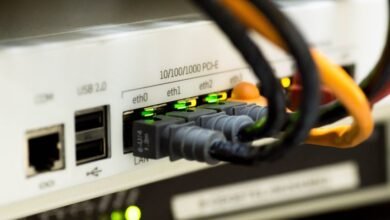
The discussion centers on securing access to the 168.1.108 admin interface. It emphasizes using a wired connection, a known IP, and strong, unique credentials. Access controls, role-based permissions, and audit logging are critical. Firmware integrity and regular updates are mandatory, with configuration baselines and QoS as guardrails. The balance between secure remote access and operational usability will define the scope of best practices, leaving a prudent path forward for those responsible.
How to Access the 168.1.108 Admin Page
To access the 168.1.108 admin page, a user must connect a device to the router’s local network and open a web browser directed to http://168.1.108 or the router’s configured IP address. The interface requires disciplined handling of access credentials and periodic firmware updates, ensuring security without compromising autonomy or freedom in management and monitoring.
Best Practices for Changing Router Credentials
Changing router credentials should be performed with strict attention to security implications and operational continuity. The guidance emphasizes minimizing exposure: enforce strong, unique passwords and rotate credentials periodically via username rotation. Implement role-based access, limit admin interfaces, and monitor login activity. Consider guest network isolation to segregate devices, reducing risk. Document changes and enforce timely credential refresh to preserve freedom and resilience.
Essential Firmware Updates and Security Hardening
Firmware updates and security hardening are the next steps after securing admin credentials, focusing on maintaining device integrity and resilience against exploitation.
The approach emphasizes disciplined patch management, verified firmware integrity, and minimal exposure surface.
In practice, routine firmware updates strengthen network security, address known vulnerabilities, and ensure secure configurations, reducing risk while preserving freedom to operate devices without vendor lock-in.
Tuning Core Settings for a Stable Network
Effective network stability hinges on deliberate tuning of core router settings, balancing performance with security concerns. The analysis focuses on baseline configurations, QoS fairness, and post-setup monitoring. It emphasizes network segmentation and vpn integration to isolate traffic and reduce exposure.
discussion ideas: latency optimization, policy enforcement, architecture resilience, threat modeling, and secure remote access.
Frequently Asked Questions
Can I Reset the Router Without Losing Settings?
Reset procedure typically preserves settings if you choose the “soft reset” or use a configuration backup; a full factory reset will erase them. Firmware upgrade may require reconfiguring after reset, ensuring security, and preserving critical parameters.
Is WPA3 Supported by This Router Model?
Theoretically, WPA3 support depends on the router’s hardware and firmware; this model may lack WPA3. If available, it enhances remote access security, but verification with the current firmware is required.
How Do I Back up and Restore Configurations?
The procedure to back up configuration and restore process is straightforward: export current router settings to a secure file, then use the restore option from the admin interface, verifying integrity and applying encryption, versioning, and access restrictions for safety.
What Is the Default DNS Setting Recommendation?
Default DNS should be set to a trusted, fast resolver with DNSSEC if available; avoid ISP defaults. For router security, use a dedicated internal resolver or reputable public service, and disable remote DNS management to maintain user autonomy and safety.
How Can I Access the Router Remotely Securely?
Remote access should be achieved via remote VPN or SSH tunneling with strong firmware security; enable remote monitoring and enforce strict authentication, logging, and updates to ensure secure, freedom-conscious administration without exposing the router.
Conclusion
In the end, securing a router is blissfully simple: just expose every interface, reuse weak credentials, and ignore firmware prompts. The admin page at 168.1.108 becomes an unsung fortress, steadfast in its vulnerability. With flawless logging and zero segmentation, the network breathes easily—until that inevitable breach. Irony aside, the truth remains: disciplined credential hygiene, timely updates, and restricted admin access are the smallest investments for a surprisingly sturdy defense.